




Daily Pediatric Dental Procedures: From Communication to Restoration

Daily Pediatric Dental Procedures: From Communication to Restoration

عن الكورس
كورس عن الإجراءات اليومية بطب أسنان الأطفال مع Rocio Lazo و Stephane Simon وزملائهم. من التواصل ويا الطفل لحد التاج.
مناسب لـ: طبيب أسنان الأطفال وطبيب الأسنان العام
شنو راح تتعلم:
- التواصل والسيطرة على سلوك الطفل
- التشخيص والتخدير والعزل
- الحشوات وعلاج الـ Pulp عند الأطفال
- التيجان للأسنان اللبنية
Daily Pediatric Dental Procedures: From Communication to Restoration
Course overview
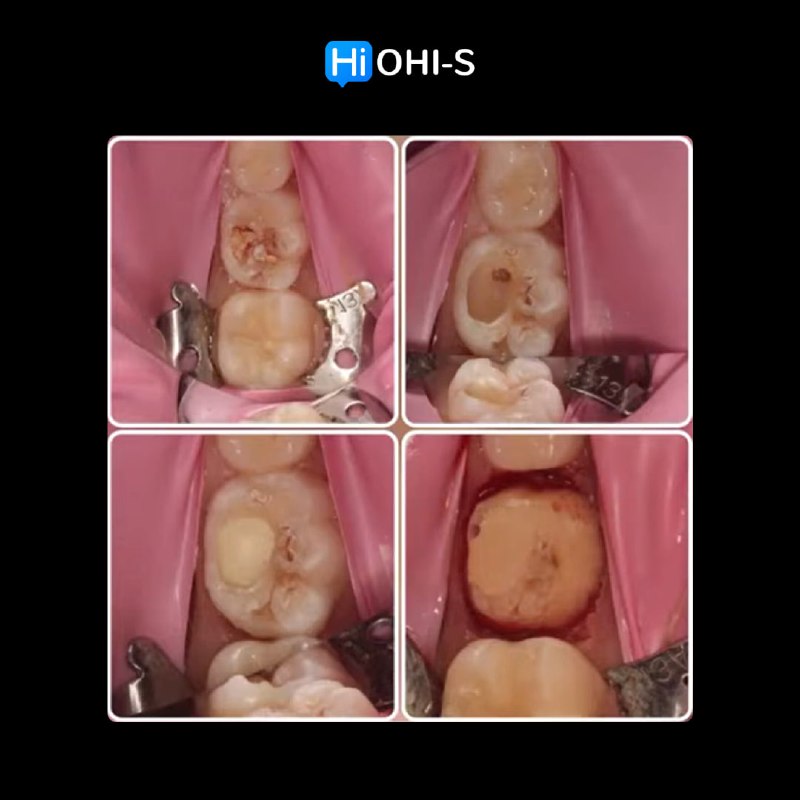
Just imagine: a small patient comes to you with his parents. First, you need to establish contact with both the child and his parents. The next stage is diagnosis. Next, you perform anesthesia and isolation. We begin treatment: cleaning, preparation, adhesion stage, filling. What if the pulp chamber is opened? Or is it pulpitis? We provide endodontic treatment.
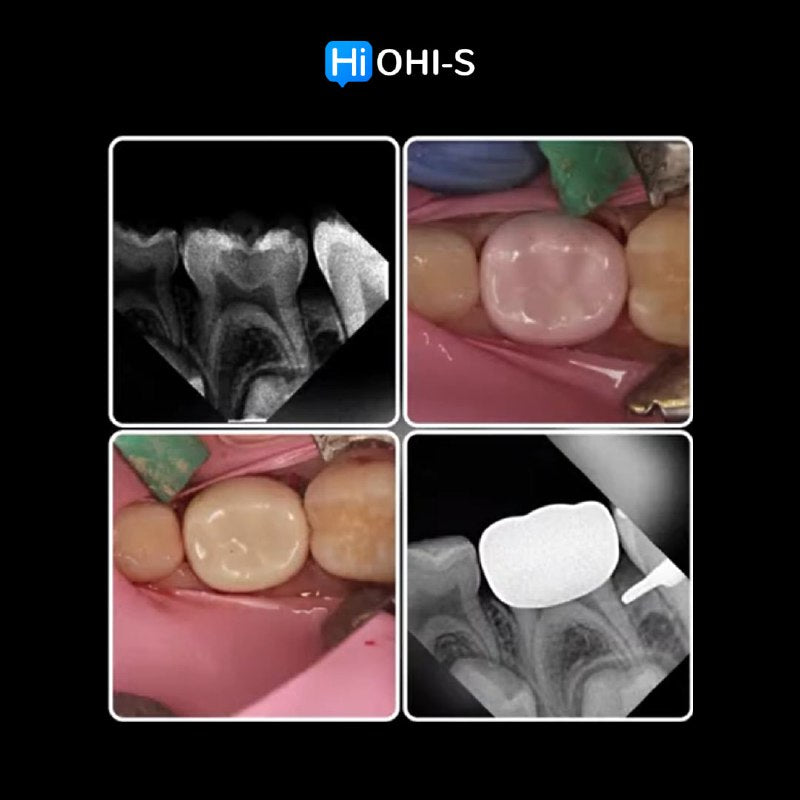
And so that the tooth lasts for many years, we cover it with a crown.
Sound familiar? We have created training about the daily manipulations of a pediatric dentist, in which each topic is a real must-have for a successful pediatric dentistry appointment!
- Apply age‑appropriate communication and behavior management strategies for cooperative pediatric treatment.
- Perform diagnosis, anesthesia, isolation, and minimally invasive caries treatment in children.
- Select and execute vital pulp therapies, apexification, or regenerative endodontic procedures for immature permanent teeth.
- Prepare and restore primary teeth using predictable full‑coverage crown protocols and parent‑communication steps.
What you will learn
Course lessons
Lesson 1. Non pharmacological behavior management
Behavior management: basic principles
Scientific foundations for the management of child behavior
Factors of poor communication of the child: indications and contraindications for non-pharmacological methods
The influence of parents and parenting style: the relationship with the behavior of the child
Dental team: aspects of successful communication
Basic and advanced non-pharmacological methods of behavior management:
communication and communication guidance (appropriate to age)
positive pre-visit imagery
direct observation
tell-show-do
ask-tell-ask
voice control
non-verbal communication
positive reinforcement and descriptive praise
distraction
memory restructuring
desensitization to dental conditions
enhancing control.
Documentation of admission and individualization of the treatment plan
Sensory-adapted dental environment (SADE technique)
Animal-assisted Therapy (AAT)
Picture exchange communication system (PECS)
A technique of protective stabilization.
Lesson 2. Pharmacological behavior management
Goals and indications for general anesthesia:
Age and weight of the child
Health status
Amount of tretment
Cooperation
Parental preferences.
Nitrous oxide: clinical effect, indications and safety of use
Contraindications for nitrous oxide
Sedation levels: characteristics and benefits of moderate sedation
Specific pharmacological agents in pediatric dentistry, features and details of use:
Midazolam
Triazolam
Flumazenil
Hydroxyzine
Diphenylhydramine
Drug combinations.
Scheme for selecting drugs by age
Local anesthetics: interaction with general sedatives
Levels of monitoring of the patient's condition
Documentation of admission: child behavior, treatment and informed consent.
Lesson 3. Non and minimally invasive dental caries treatment
Modern concepts in Cariology
Fundaments for non and minimally invasive caries treatments
The techniques of non and minimally invasive dental caries treatment:
Non restorative caries treatment
Atraumatic restorative treatment
Silver diamine fluoride
Hall technique.
Lesson 4. Minimally invasive dentistry and bioactive materials in dental caries and molar incisor hypomineralization
What is the meaning of Minimally Invasive Dentistry (MID):
Non-restorative caries control
Restorative caries control
Selective caries removal.
Caries prevention: xylitol as a sugar substitute
Sealants of pits and fissures: hidden fissures and early diagnosis of caries
How to differentiate between infected and affected dentine
Rotary caries removal: conventional tungsten carbide burs and their microhardness
Rotary caries removal: polymer bur for carious dentin removal
Mechanical caries removal: classification of each type of excavator
Direct pulp capping in primary teeth
Silver Diamine Fluoride 38%: Non-Restorative Cavity Control
Molar Incisor Hypomineralization (MIH) and enamel hypoplasia
Bioactive biomaterials
SMART TECHNIQUE:
Early Lesions
Deep Caries
Caries in teeth affected by MIH.
Lesson 5. Biomimetic in pediatric dentistry
Biomimetic in Minimally Invasive Dentistry: Bio-Remineralization
Bioactive Glass Materials in Dentine: MTA, Biodentine and NeoMTA in indirect and direct pulp capping
What does Biomimetic mean in pediatric dentistry?
New Generation of Glass Ionomers with Strontium
Giomers
Minimally Invasive Dentistry in molars affected by MIH:
Hypersensitivity Control
Deproteinization of hypomineralized enamel
Bioactive Biomaterials
Adhesion
Aesthetic Restorative Treatment.
Lesson 6. Endodontic treatment of permanent immature tooth: from apexification to revitalization
Immature teeth particularities
Apexogenesis
Apexification and MTA
How understanding of biology will help the clinician to better select clinical cases for regenerative procedures
Revitalization and Revascularization
Advantages of revitalization and apexification
Contraindications of revitalization and apexification
Tissue engineering: stem cells, growth factors, and scaffold dental pulp
Repair vs. Regeneration
Outcomes:
patient-based outcome
clinician-based outcome
scientist-based outcome.
Revitalization of mature teeth
The clinical factors to take into account when selecting one technique or the other depending on the clinical situation.
Lesson 7. Predictable full coverage crowns in pediatric dentistry. Step-by-step work protocol
Full coverage crown restoration for primary teeth
Communication with parents. Motivation for crowns
Indications and contraindications for the use of crowns in children
Necessary equipment, tools and materials
X-ray examination before and after treatment
Stainless Steel Crowns:
Indications, contraindications, advantages and disadvantages
Tooth preparation protocols
Cementation
Postoperative instructions.
The HALL technique:
Indications, contraindications, advantages and disadvantages
Chairside protocol of the technique.
Strip crowns:
Indications, contraindications, advantages and disadvantages
Tooth preparation protocols
Composite strip crowns
Glass ionomer strip crowns
Injection moulding technique.
Zirconia crowns in pediatric dentistry:
Posterior and anterior zirconia crowns
The tissue attachment to zirconia
Case selection
Tooth preparation protocols
Methods for controlling hemorrhage
Crowns try-in and common errors
Cementation.
Postoperative period and general recommendations
Difficulties, complications and ways to solve them
Clinical tips and tricks.
أسئلة شائعة عن الكورس
من محاضر الكورس؟
الكورس مقدم من: Rocio Lazo, Yasmi O Crystal, Antonio Pedro Silva, Sanchit Paul, Abhishek S. Soni, Stephane Simon
كم مدة الكورس وكم درس فيه؟
الكورس يتكون من 7 درس، ومدته الكلية 12 ساعة و0 دقيقة.
هل الكورس كامل أو مجرد فيديوهات من يوتيوب؟
الكورس اشتراك كامل بكل الدروس المذكورة بالوصف (7 درس)، وليس فيديوهات يوتيوب أو مقاطع متفرقة.
متى يتفعّل الكورس بعد الدفع؟
التفعيل فوري خلال دقائق من إتمام الدفع في أغلب الحالات، وتوصلك رسالة على البريد الإلكتروني بكل تفاصيل التفعيل.
ما هي طرق الدفع المتوفرة؟
للأطباء داخل العراق: زين كاش، سوبر كي (ماستر الرافدين)، FIB أو رصيد آسيا سيل.
للأطباء خارج العراق: البطاقة البنكية، أو طرق دفع محلية في بعض الدول مثل مصر والجزائر وفلسطين وغيرها.
هل الدفع آمن؟
نعم، جميع عمليات الدفع محمية عبر بروتوكولات أمان SSL.
إذا صارت عندي مشكلة بالتفعيل، شنو الحل؟
فريق الدعم متواجد عبر واتساب أو تليغرام أو البريد الإلكتروني support@dentalcourse.store. وإذا كانت المشكلة بالتفعيل أو خلل من طرفنا، نستبدل لك الكورس.


