


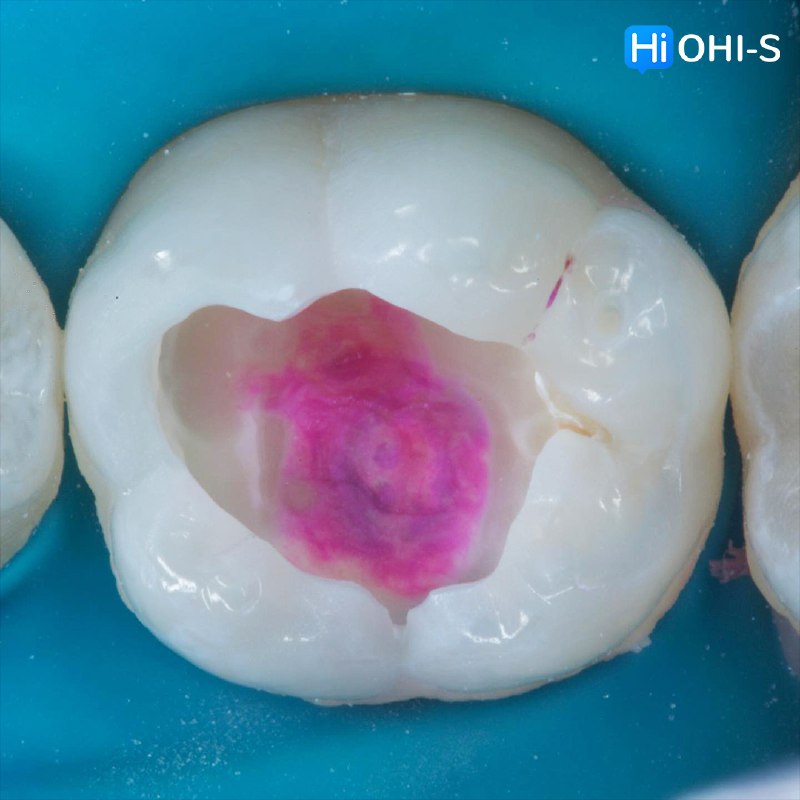
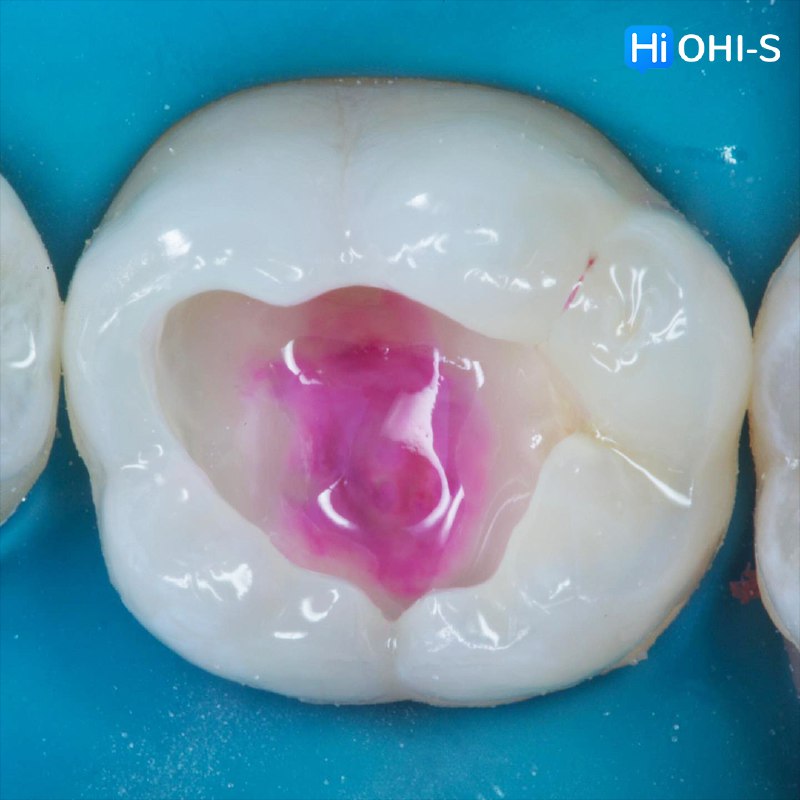
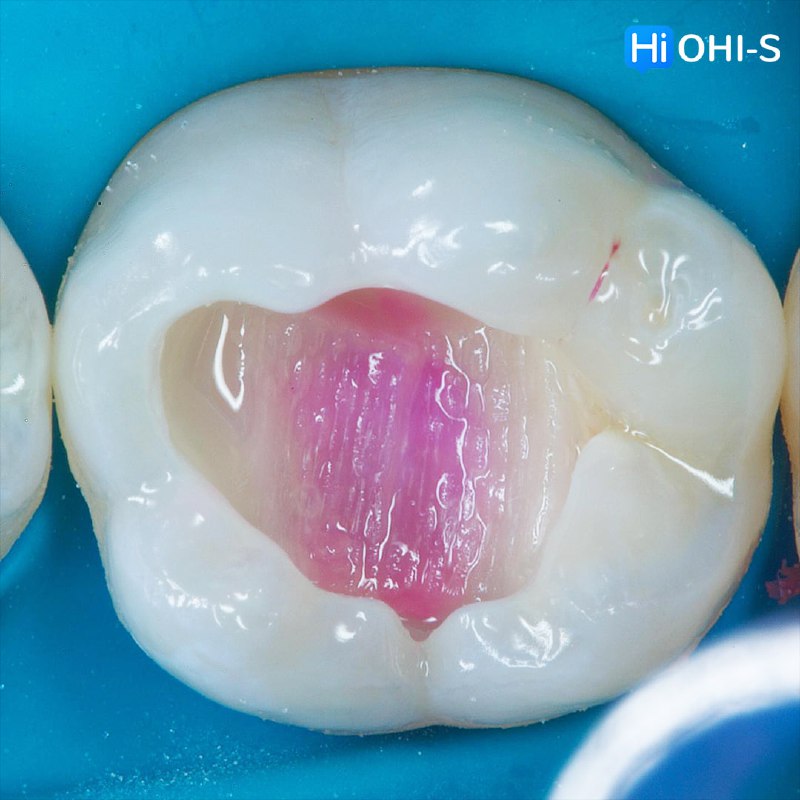
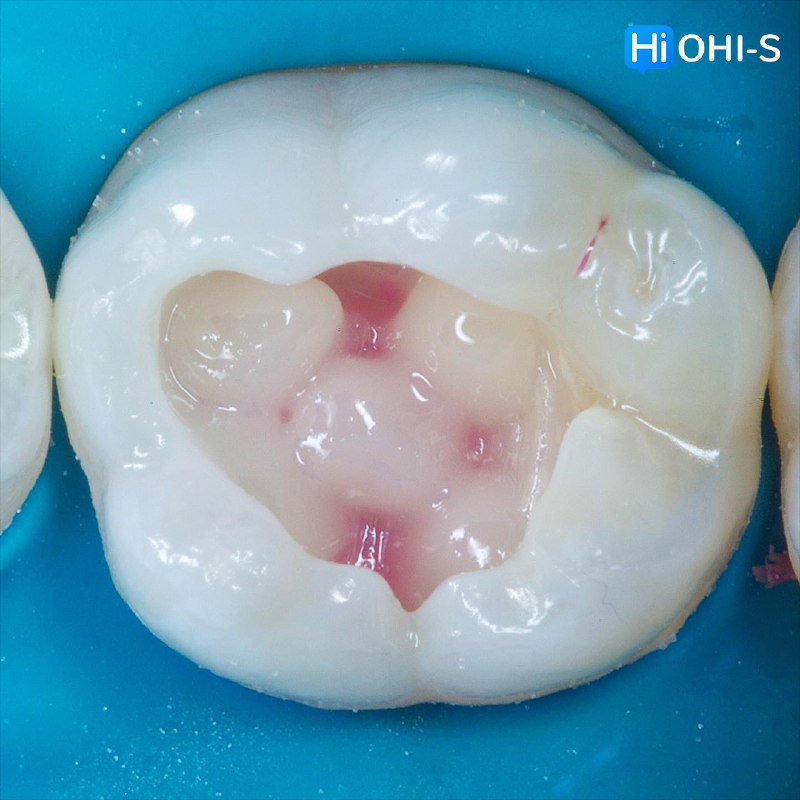
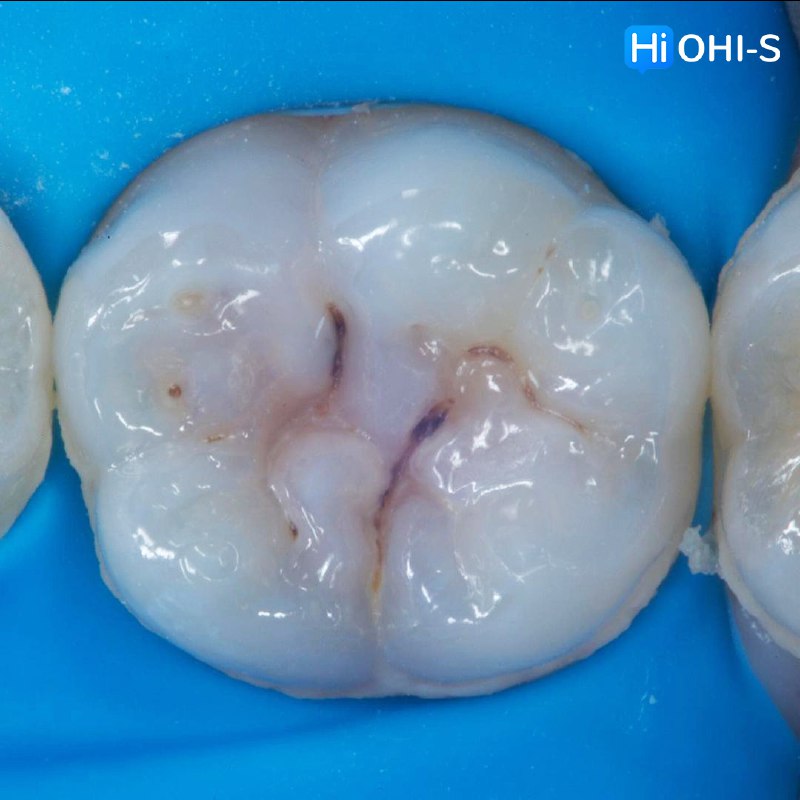
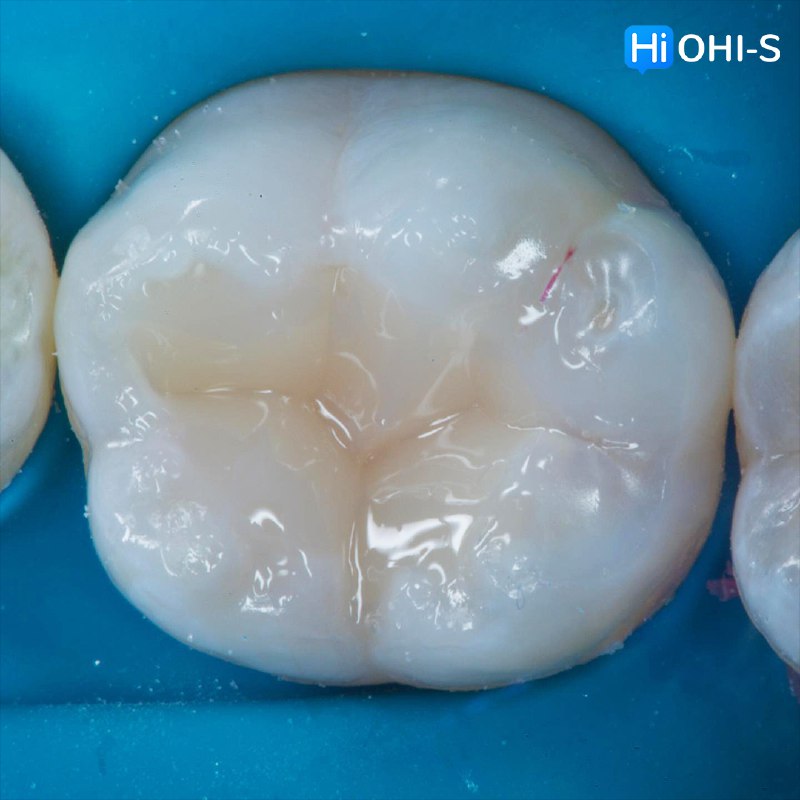
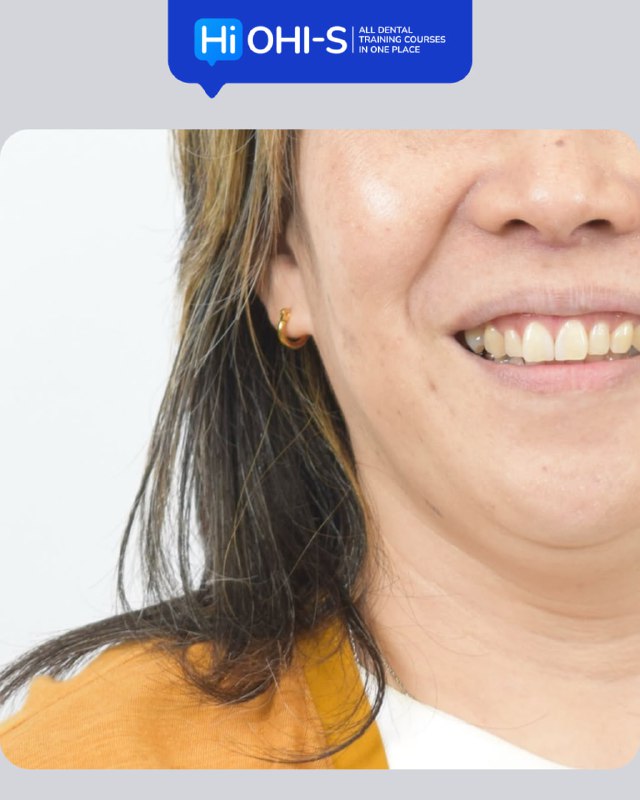
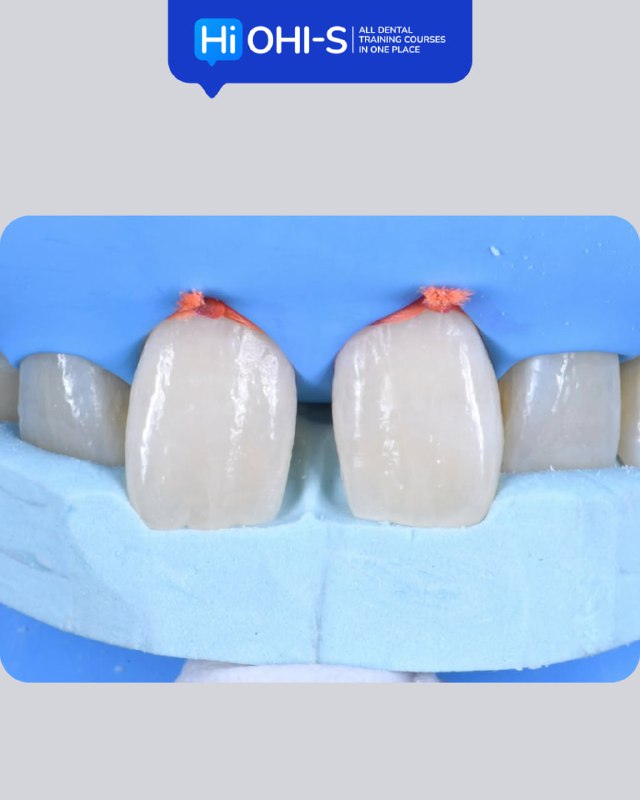
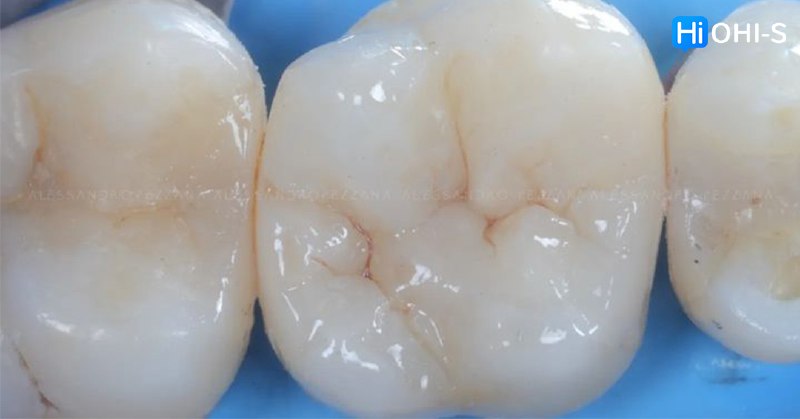
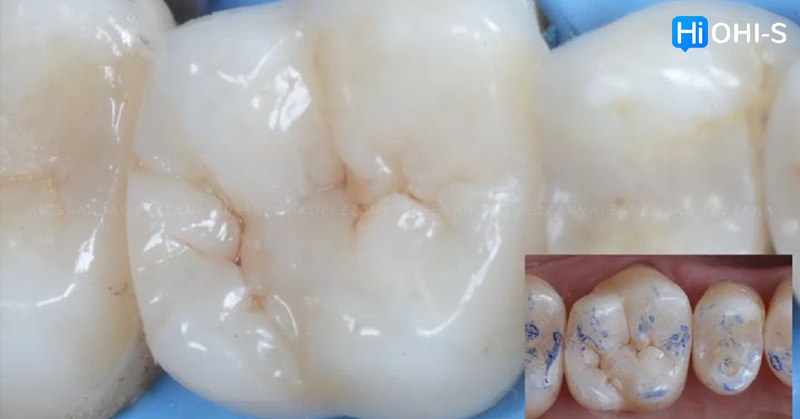
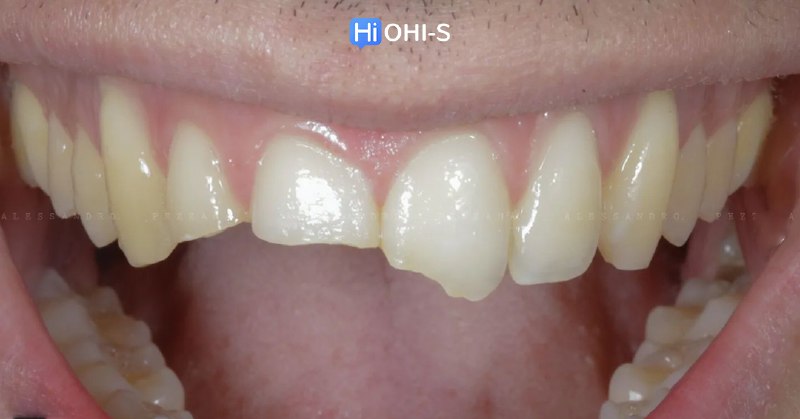
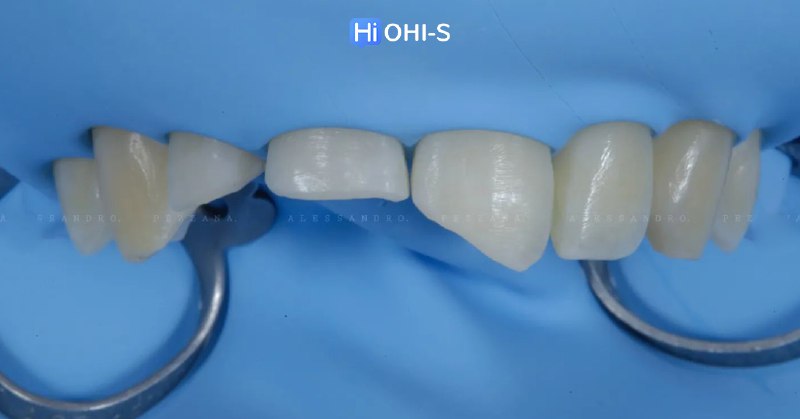
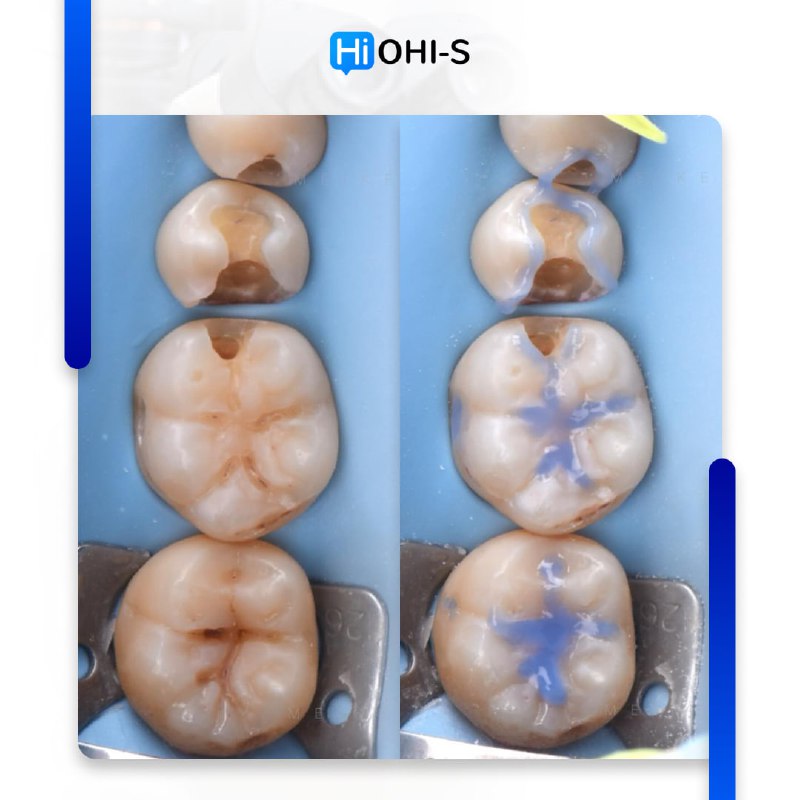
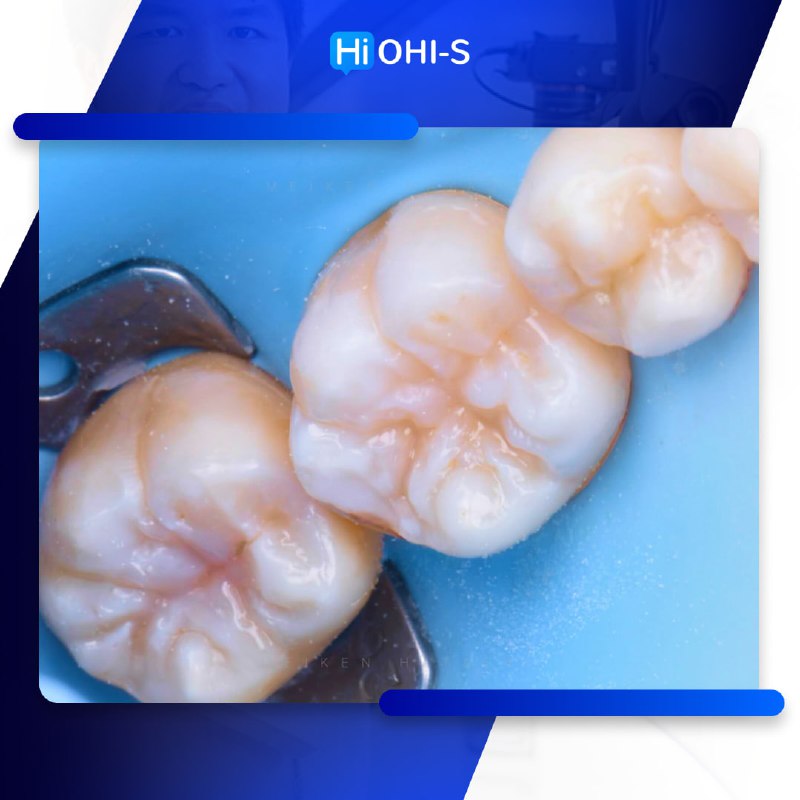
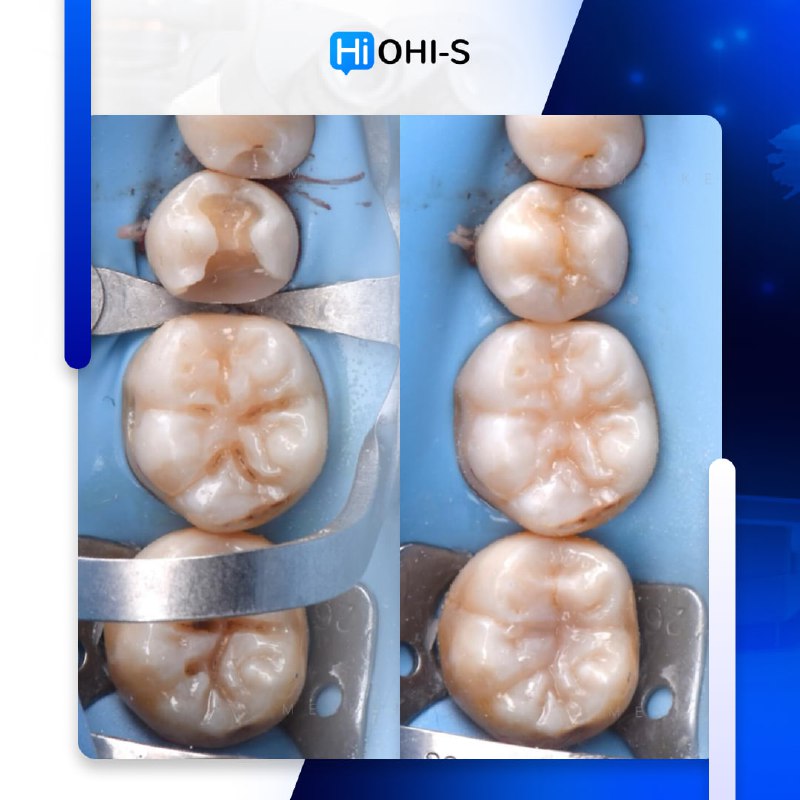
International Schools Working with Composite Restorations

International Schools Working with Composite Restorations

عن الكورس
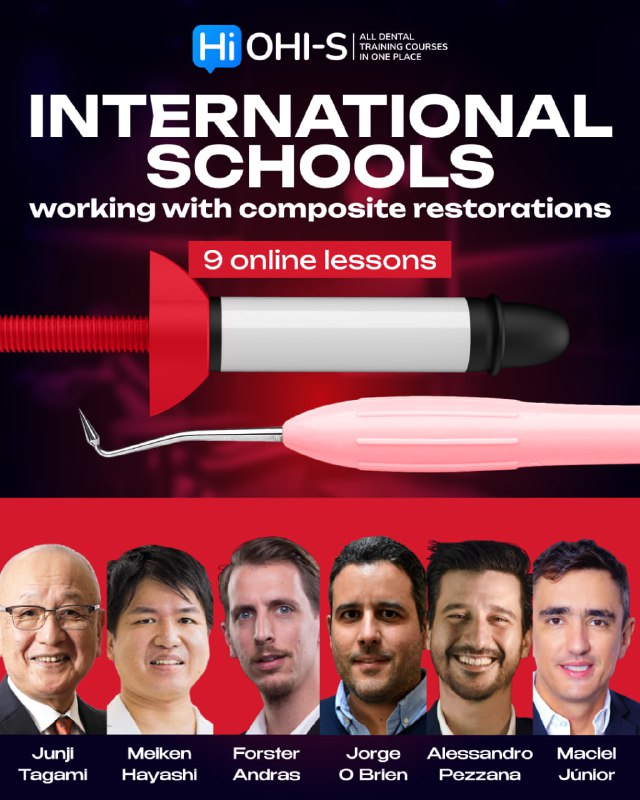
كورس يجمع مدارس الكومبوزت العالمية: اليابانية والأوروبية وأمريكا الجنوبية، مع Junji Tagami وAndras Forster وغيرهم. بروتوكولات اللصق الحديثة والـ Biomimetics وتقنيات الـ Layering.
مناسب لـ: طبيب الأسنان العام اللي يريد يطور حشواته التجميلية.
شنو راح تتعلم:
- بروتوكولات الـ Adhesion الحديثة
- مفهوم الـ Biomimetics والحشوات قليلة الإجهاد
- الـ Deep Margin Elevation وتقنية Wallpapering
- الـ Layering للـ Veneers الأمامية والخلفية
International Schools Working with Composite Restorations
Course overview
Protocols for working with composite in the techniques of the world most famous schools of restorative dentistry: Japanese, European and South American!
Within the course, you will learn:
Modern adhesive protocols in direct restoration
Methods of non-invasive and minimally invasive restoration
Biomimetics concept protocols
Stress reduced direct restorations technique
Deep margin elevation technique
The wallpapering technique
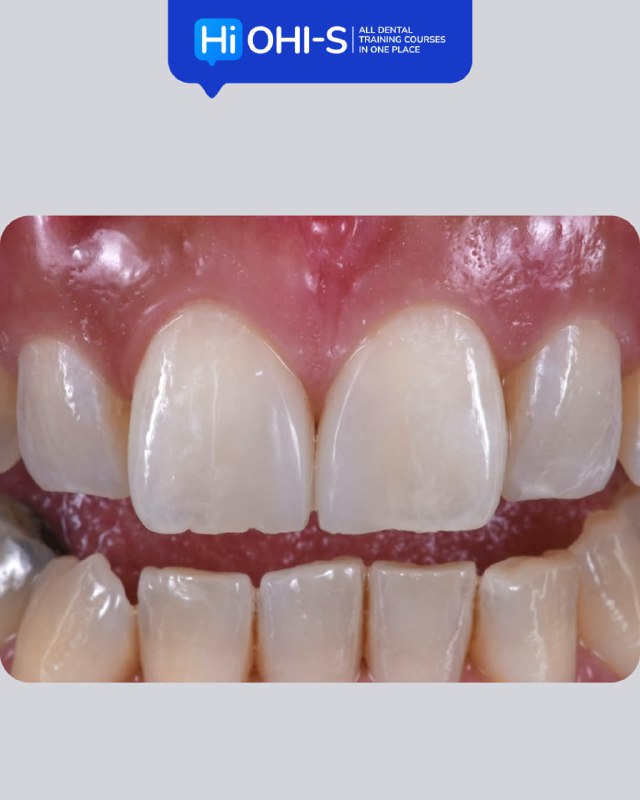
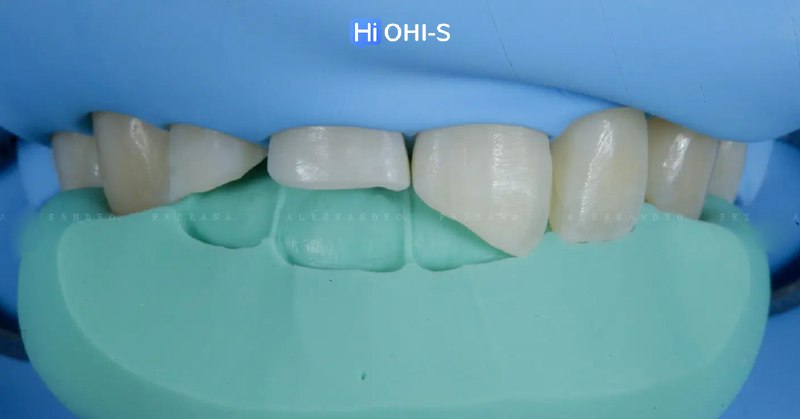
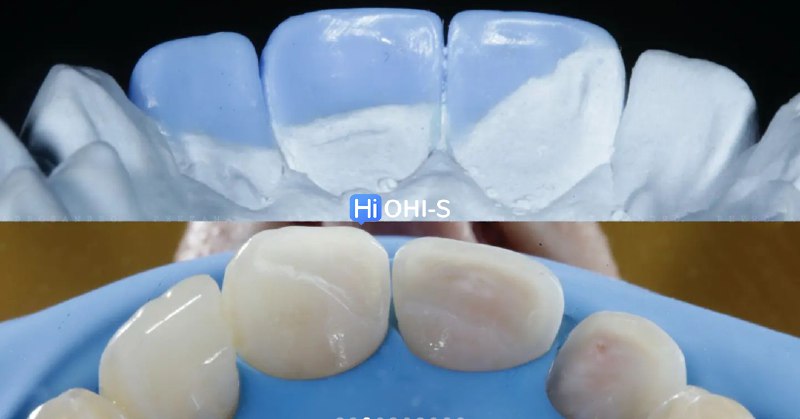
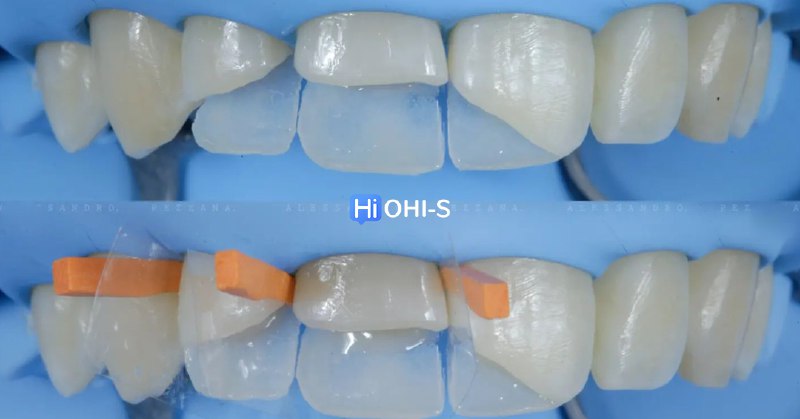
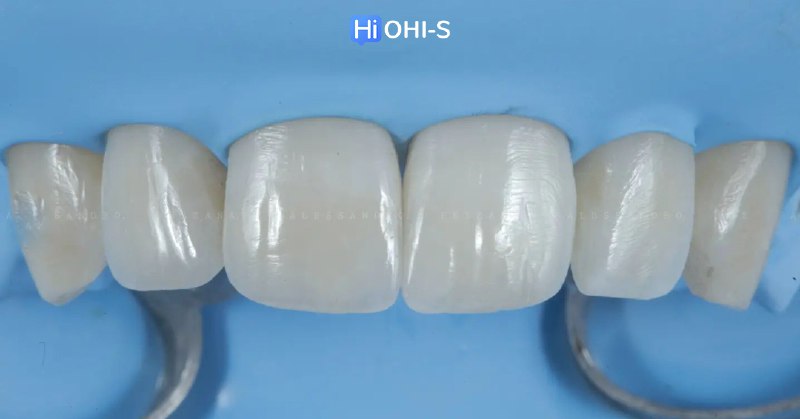
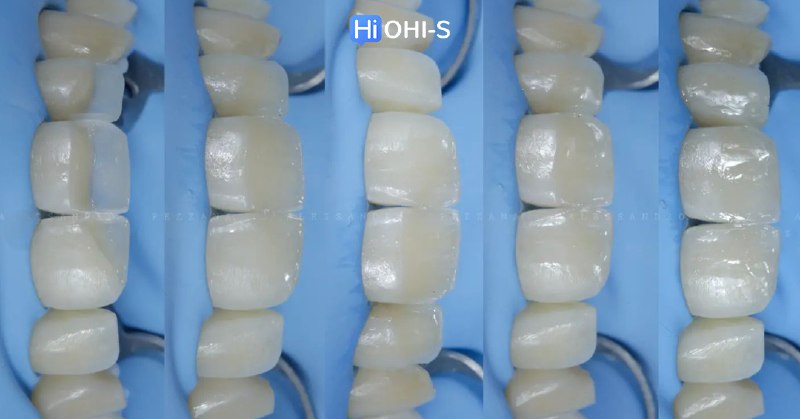
Stratification techniques and protocols for creating anterior veneers
Hyperchromatic layering technique in the treatment of posterior and anterior teeth.
After completing the course, you will be able to apply numerous techniques, protocols, and concepts to your daily practice and will be ready to treat cases, regardless of their complexity, using the most effective life hacks in direct restorations!
What you will learn
- Apply modern adhesive protocols for predictable bonding in direct composite restorations.
- Perform deep margin elevation and matrix adaptation to manage subgingival margins safely.
- Select and execute stratification and hyperchromatic layering methods for anterior and posterior aesthetics.
- Design biomimetic, stress-reduced posterior restorations incorporating fiber reinforcement and immediate dentine sealing.
Course lessons
Lesson 1. Modern adhesive systems and their optimum application procedures
History of bonding technology
The resin-coating technique
Dentin bonding
Dentin bonding interface of 2-step self-etching type
The hybrid layer
Understanding the functions of adhesive resin monomer
Understanding the bonding mechanism of adhesive systems: etch & Rinse type, Self-etching type, and Universal Bond type
Understanding the fundamentals of bonding and bonding performance of adhesive systems
Keys for obtaining maximum performance of the adhesives
Enamel bonding
All-in-one: bonding with universal bond
Importance of the light irradiation
Flowable composite resin lining to avoid the bond separation in cavities
Analysis of clinical cases.
Lesson 2. Strategies for Improving the Direct Composite Restoration (DCR)
Cavity preparation technique without the post restoration tooth sensitivity
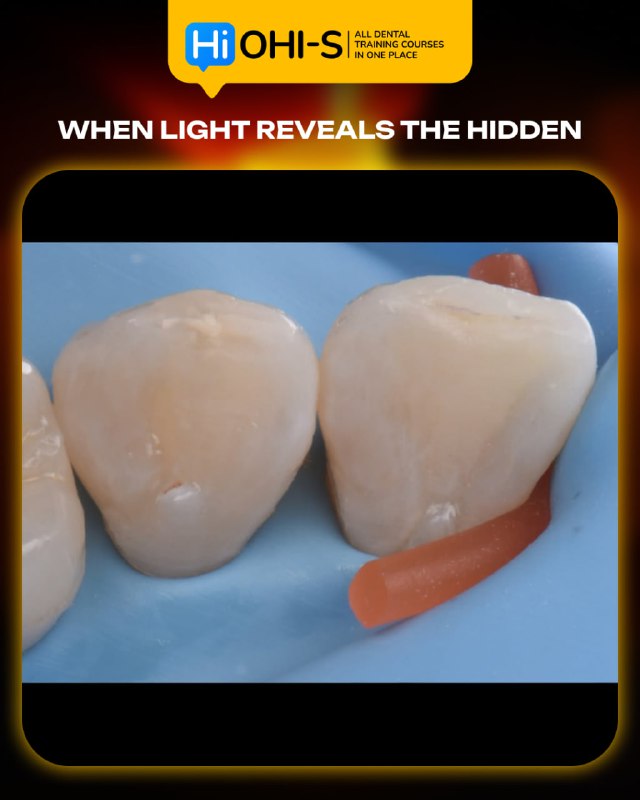
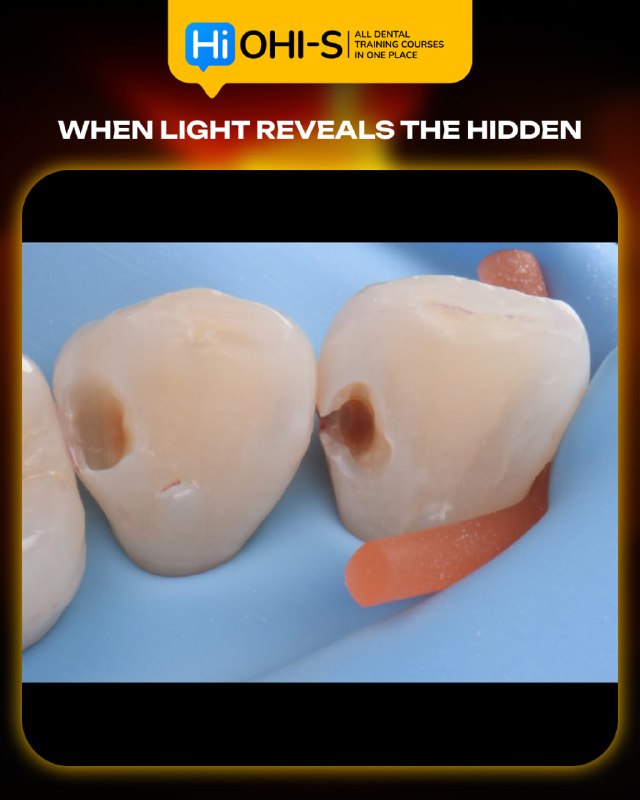
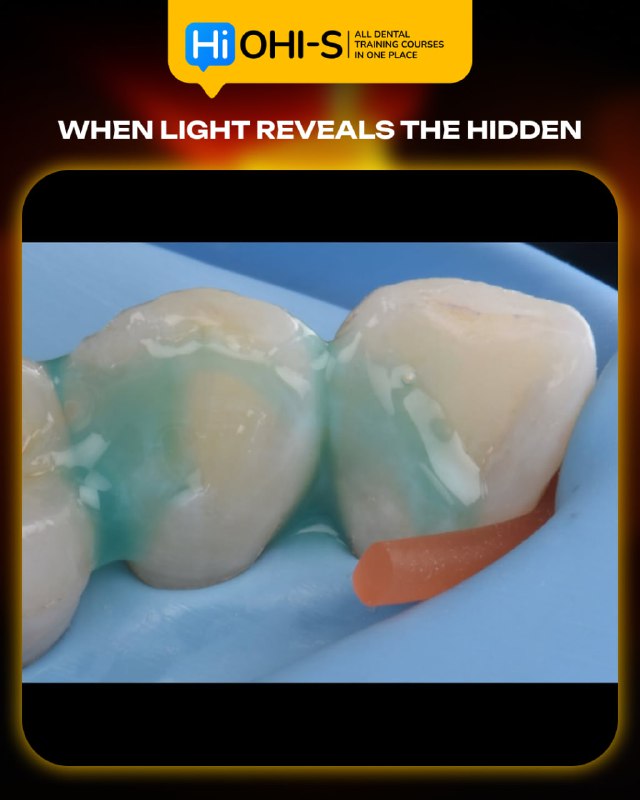
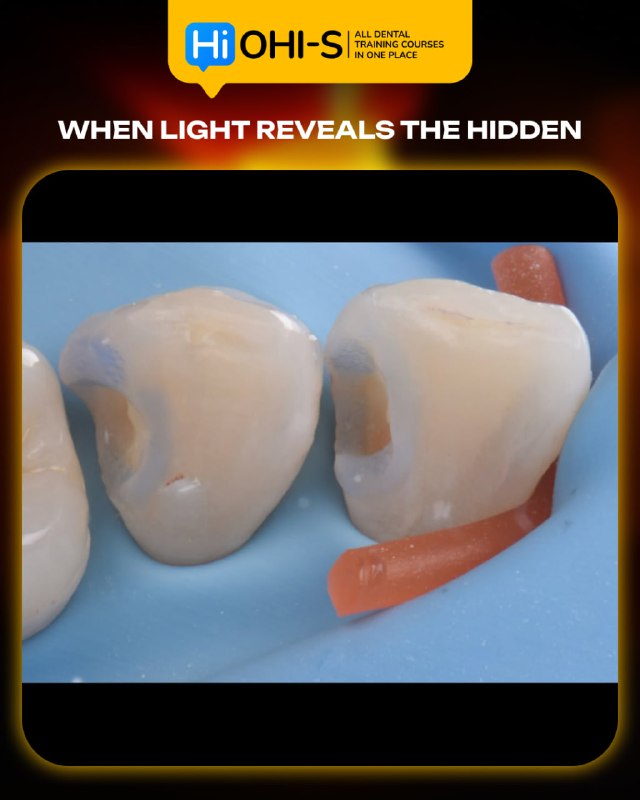
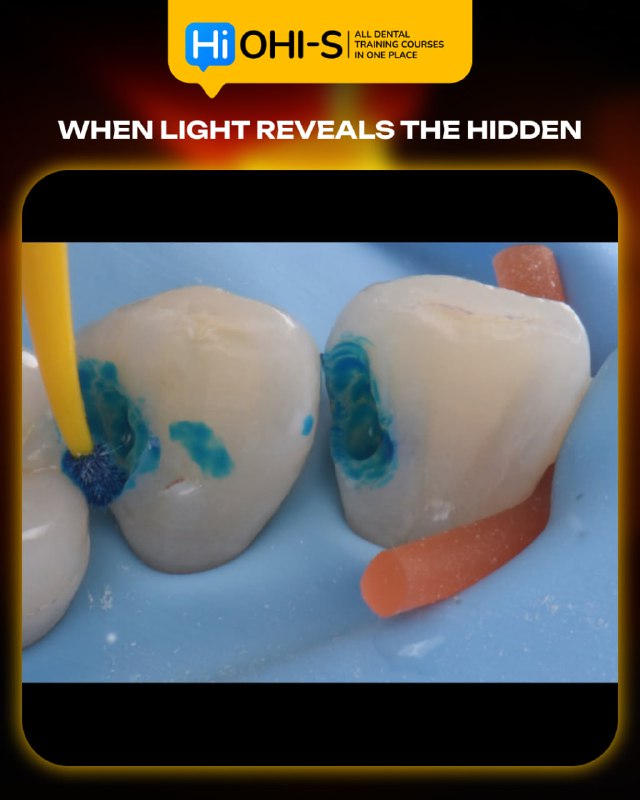
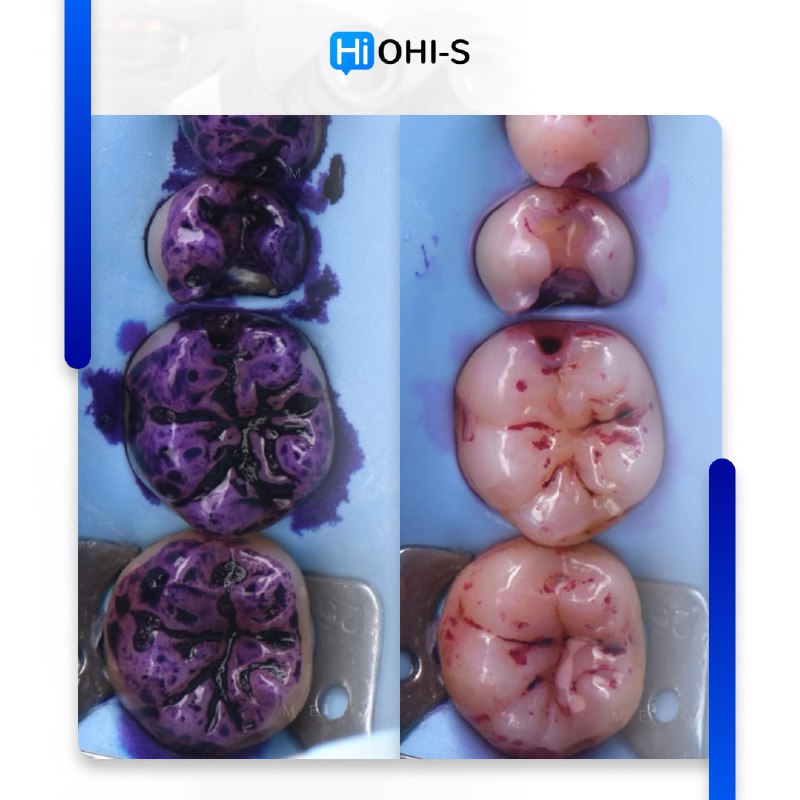
Caries detector and removal techniques
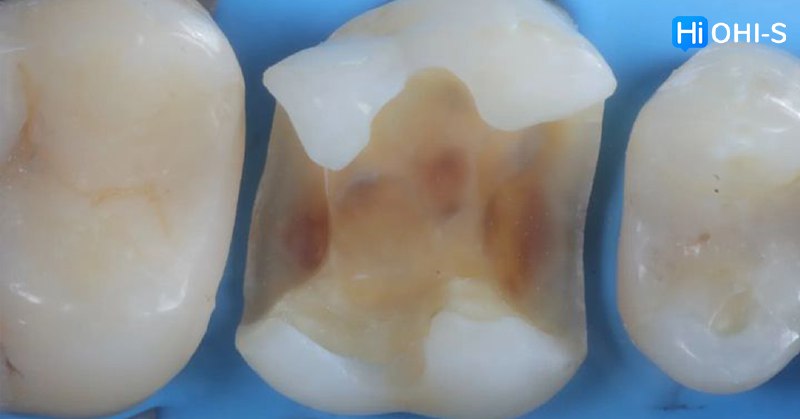
Deep caries treatment protocol
Partial caries removal in deep caries lesions
Resin coating layer and incremental filling
Bonding procedures obtaining the maximum performance of materials
Applications of the flowable composite resins
Applications of the universal shade composite resins
Keys for the success of direct composite crown
Keys for the success of direct composite bridge
Repair technique for direct composite restoration (DCR)
Clinical cases and treatment results discussions.
Lesson 3. Reliable adhesive approach for Direct Composite Restoration
Protocols for reliable bonding procedures
Rubberdamology. Evidence based guidelines on isolation and its effect of the prognosis of treatment
The effect of air-polishing powders of dentin bonding
Caries removal guidelines and protocols:
selective removal technique
complete removal technique.
The resin coating technique
Protocols of adhesion to the dentin
Mechanism of action of self-etch adhesives
Overview of light curing and polymerization in operative dentistry
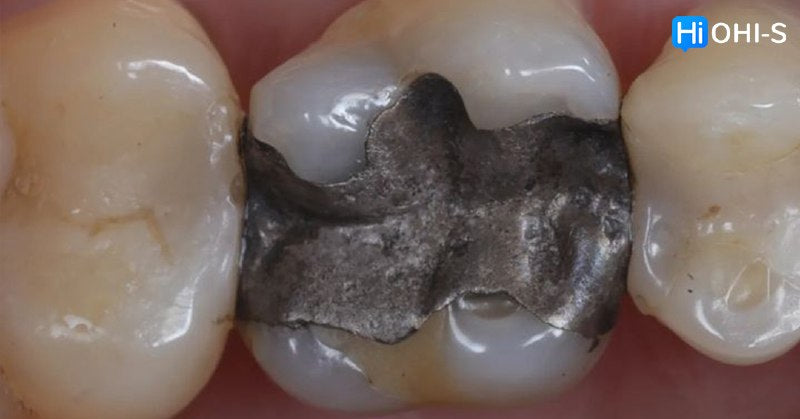
Approach to direct composite resin restorations of various carious cavities in the molar region
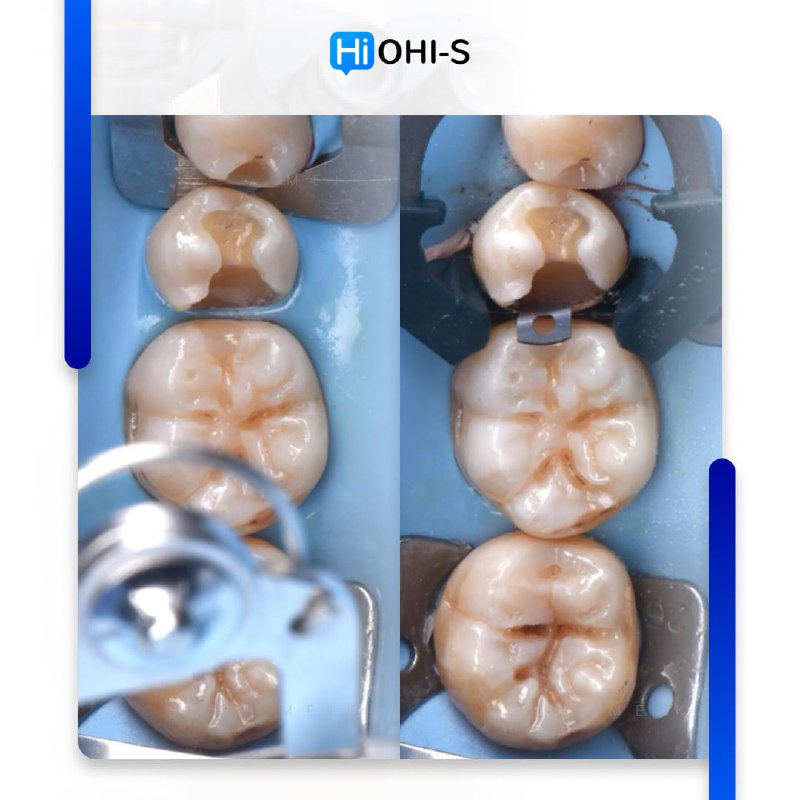
Class I and Class II adhesive restorations
Restorative procedures and filling techniques
Treatment protocols of deep cavities
Incremental layering technique
Bulk-fill filling technique
Polishing techniques and tips
Clinical cases.
Lesson 4. Biomimetic Restoration of Structurally Weakened Posterior Teeth
Posterior teeth histology
Structural diagnostics
Biobase creation
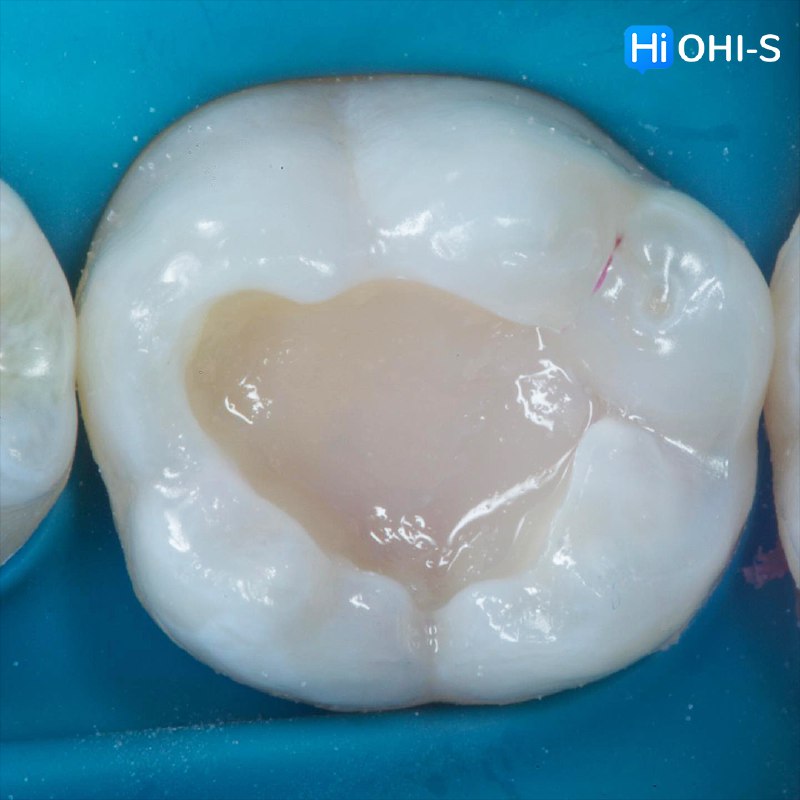
Occlusal cavity preparation
Remineralization of the remaining carious dentin
Partial caries elimination
Crack removal endpoints
Occlusal effect on caries development
Fundamental instruments of biomimetic restorative dentistry
Peripheral Seal Zone (PSZ)
Central Stop Zone (CSZ)
The hierarchy of bondability and decoupling with time (DWT) by Dr. Alleman
Bonding to carious dentine is possible
Stress reduction and fiber reinforcement
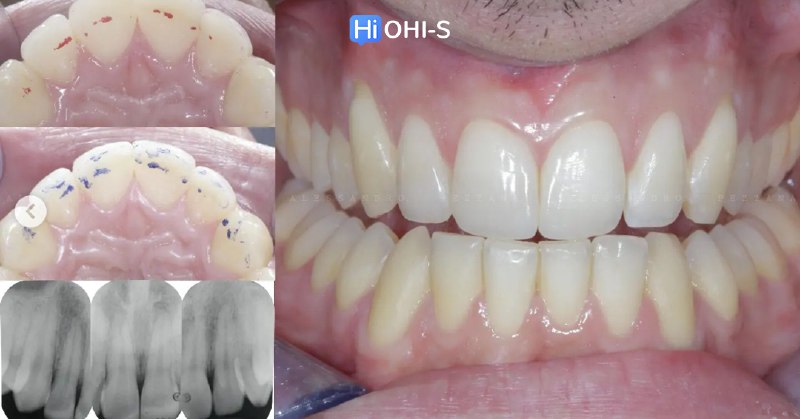
The black and white aesthetics: bitewing x-ray
Indirect composite biomimetic restorations
Direct layered short fiber reinforced restoration of endodontically treated teeth - Bioblock
The mechanical state of each tooth: mechanical analysis
Deep margin elevation (DME)
Air particle abrasion (APA)
Immediate dentine sealing (IDS)
Ribbond application
Ways of restoring the biobase of a tooth: SRDC, semi-direct, indirect
Conclusion and clinical cases.
Lesson 5. Deep Margin Elevation (DME). Justification and techniques
Why do we need isolation?
Band/Matrix adaptation technique
Evidence-based supporting the technique of Deep Margin Elevation
Clinical justifications of the technique of DME
Instruments and materials in biomimetic dentistry
Techniques description and recommendations
Step by step protocols: rubber dam isolation, adhesive installation, proximal wall reconstruction
The 2-step direct restoration technique with DME
DME and preserving the form of the root
Clinical cases.
Lesson 6. Direct composite posterior restorations with stress reduced and fiber reinforcement techniques
What happens to the composite restoration with time?
Risk assessment and diagnostic:
Cracks
Axial loads
Reduced cuspal tensile movement
Vertical fracture risk.
Techniques to maximize bond strength:
Immediate Dentine Sealing (IDS)
Resin coating
Deep Margin Elevation
Gold standard adhesive
Air particle abrasion
Peripheral Seal Zone (PSZ)
Matrix metalloproteinases (MMPs).
Decoupling with Time
Direct reconstruction of structurally compromised teeth
Reduction of the micromovement
Dentin replacement: how to mimic this tissue
The stress reduced direct composite concept
Adhesive optimization and stress control
Special fiber reinforcement biomaterials
Wallpapering technique
Instruments and materials for direct restorations (class I and II)
2 step approach for subgingival restorations
Sequenced bands technique
Double ring technique
Clinical cases.
Lesson 7. Direct anterior restorations: from fourth classes to direct veneers. Stratification Technique
The minimal invasive approach
Restoration under, on, and over the cementoenamel junction (CEJ)
The three secrets of composite restorations
It's not aesthetic if the restoration is not functionally reliable
Bolton analysis
Diagnosis and treatment plan in aesthetic dentistry
Aspects related to symmetry: waxing and shape transfer
The color: chroma tint and value both in the natural tooth and in our materials
Non carious cervical lesions (N.C.C.L.)
Carious Cervical lesions (C.C.L.)
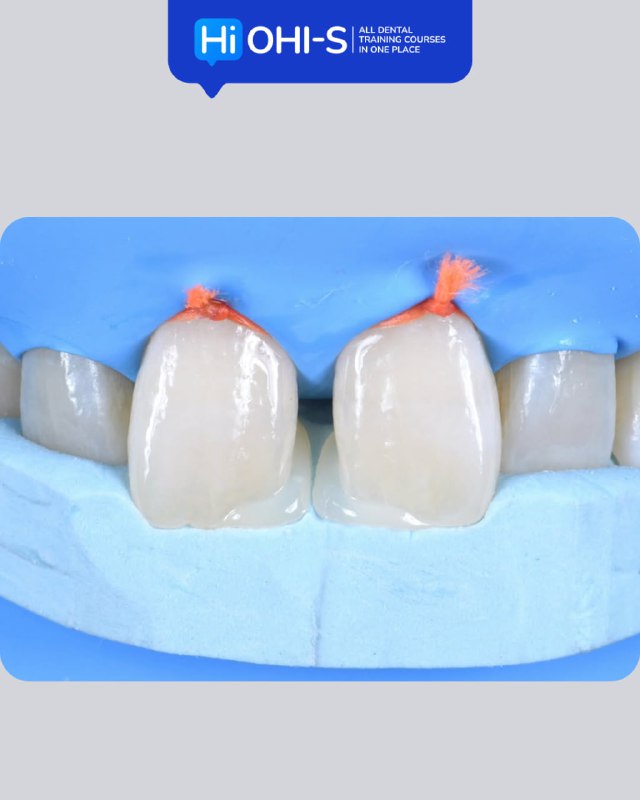
The stratification of the composite for class III and IV restorations: video demonstration
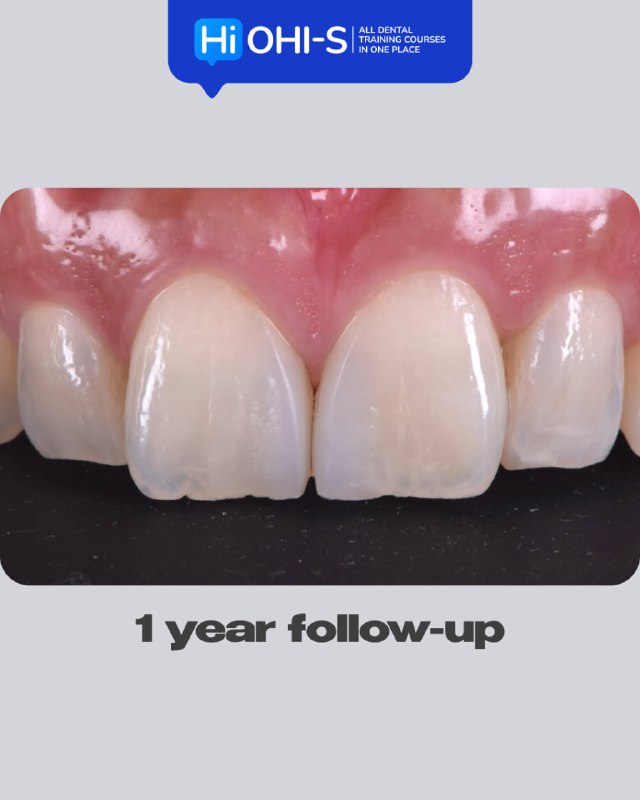
Direct veneers: stratification technique
The importance of macro and micro-texture in terms of value
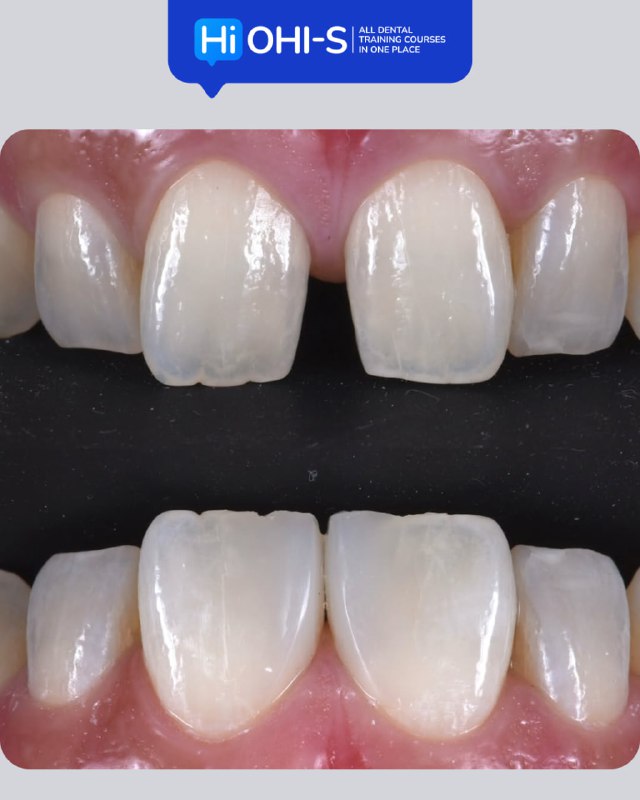
The role of emergence profiles in cases of diastema closure and black space closure in the periodontal patient
Contact points in anterior teeth restoration
Polishing protocols
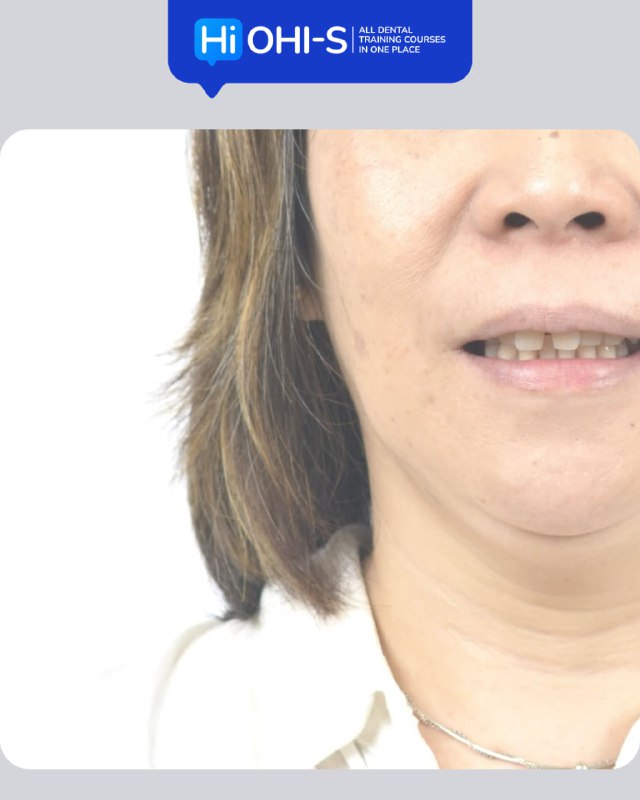
Conclusion, clinical cases, and patient follow-up protocol.
Lesson 8. Hyperchromatic Composite Technique. Posterior Teeth Restoration
Election of the restorative system
Shade selection
Instrument selection: spatulas and brush selection
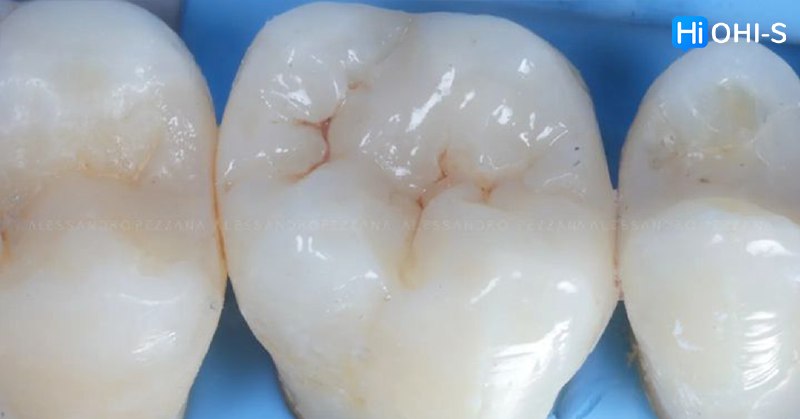
Class I and Class II restorations
The occlusal compass concept: practical approach to posterior tooth morphology with composite restorations
Occlusal veneers and the morphological concept
Perfecting the interproximal contact point
The matrix system: classification and clinical application
The hyperchromatic and incremental technique for composite restoration
The Bulk filling technique
Steps to to minimize the final occlusal adjustment
Polishing and finishing
Maintenance of the restoration
Clinical cases.
Lesson 9. Hyperchromatic Composite Technique. Anterior Teeth Restoration
Class 3, Class 4 and Class 5 restorations
Darkened tooth and discoloration treatment
Peg incisors
Black triangle closure
Aesthetic concept of anterior teeth restoration
Election of the restorative system
Shade selection
Instrument selection: spatulas, brush selection, matrix system
Layering techniques
Polishing and finishing
Maintenance of the restoration.
أسئلة شائعة عن الكورس
من محاضر الكورس؟
الكورس مقدم من: Meiken Hayashi, Maciel Júnior, Alessandro Pezzana, Andras Forster, Junji Tagami, Jorge O'Brien
كم مدة الكورس وكم درس فيه؟
الكورس يتكون من 9 درس، ومدته الكلية 11 ساعة و32 دقيقة.
هل الكورس كامل أو مجرد فيديوهات من يوتيوب؟
الكورس اشتراك كامل بكل الدروس المذكورة بالوصف (9 درس)، وليس فيديوهات يوتيوب أو مقاطع متفرقة.
متى يتفعّل الكورس بعد الدفع؟
التفعيل فوري خلال دقائق من إتمام الدفع في أغلب الحالات، وتوصلك رسالة على البريد الإلكتروني بكل تفاصيل التفعيل.
ما هي طرق الدفع المتوفرة؟
للأطباء داخل العراق: زين كاش، سوبر كي (ماستر الرافدين)، FIB أو رصيد آسيا سيل.
للأطباء خارج العراق: البطاقة البنكية، أو طرق دفع محلية في بعض الدول مثل مصر والجزائر وفلسطين وغيرها.
هل الدفع آمن؟
نعم، جميع عمليات الدفع محمية عبر بروتوكولات أمان SSL.
إذا صارت عندي مشكلة بالتفعيل، شنو الحل؟
فريق الدعم متواجد عبر واتساب أو تليغرام أو البريد الإلكتروني support@dentalcourse.store. وإذا كانت المشكلة بالتفعيل أو خلل من طرفنا، نستبدل لك الكورس.


