


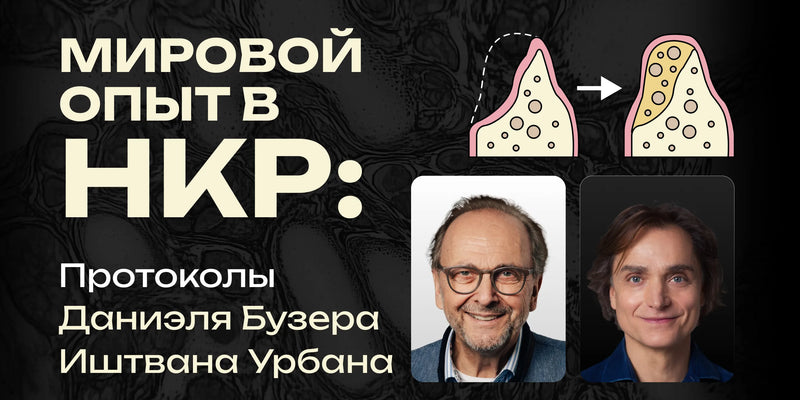

Global experience in NCR: protocols of Daniel Buzer, Istvan Urbán and colleagues


Global experience in NCR: protocols of Daniel Buzer, Istvan Urbán and colleagues

عن الكورس
كورس عن الـ Guided Bone Regeneration مع Prof. Daniel Buser وIstvan Urban ونخبة عالمية: من إدارة مكان القلع لحد الـ Horizontal والـ Vertical Ridge Augmentation وأحدث البروتوكولات الرقمية.
مناسب لـ: أخصائي الزراعة واللثة.
شنو راح تتعلم:
- إدارة الـ Post-extraction Socket
- الـ Horizontal Ridge Augmentation
- الـ Vertical Ridge Augmentation
- البروتوكولات الرقمية بالـ GBR
Worldwide Experience in Guided Bone Regeneration (GBR): Daniel Buser, Istvan Urban, and Colleagues Protocols
Course overview
Join Professor Daniel Buser, Istvan Urban, and other world-class experts from leading departments of surgical dentistry and periodontology. Our goal is a thorough, scientifically based study of guided bone regeneration (GBR). The training covers topics ranging from management of post-extraction sockets and horizontal/vertical ridge augmentation to the latest innovations in the application of digital protocols.
The program provides a detailed look at both fundamental biology and advanced protocols, including topics such as:
- Biological principles of GBR and the experience of Professor Daniel Buser in achieving long-term outcomes
- “Sausage Technique™” for ridge augmentation, developed by Istvan Urban
- Immediate and delayed implant placement protocols
- GBR approaches in complex cases and in peri-implantitis
- Digital protocols for treatment planning and fabrication of surgical guides
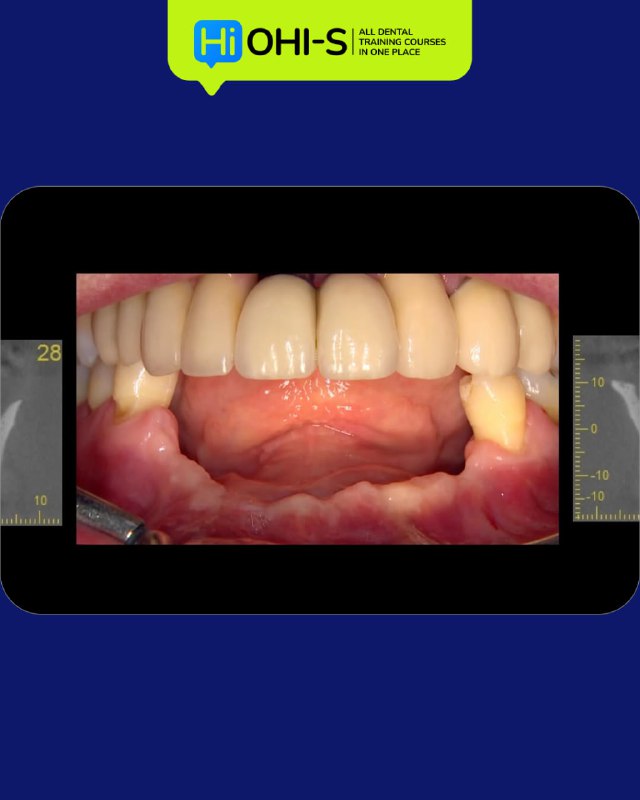
This course includes recordings of three live surgeries performed by Professor Daniel Buser, devoted to the application of GBR protocols and implant placement in the esthetic zone.
Develop with world experts and master modern GBR protocols, as well as scientifically based methods applied in implantology and periodontology, with confidence, precision, and predictable results.
Course lessons
Lesson 1. Horizontal and vertical augmentation of the buccal ridge of the mandible using the “Sausage” technique
- Surgical principles of ridge augmentation
- Flap closure protocols without tension after vertical ridge augmentation
- Soft-tissue reconstruction protocols after ridge augmentation
- Author’s perspective on the Sausage Technique™
- Vertical augmentation of the lateral mandible
- Vertical and horizontal augmentation using Sausage Technique™: step-by-step protocol
- Analysis of clinical cases
Lesson 2. Live surgery: implant placement in the regions 11 and 21 using digital protocols and GBR
- Radiographic examination method, CBCT
- Stages and protocols of digital treatment planning
- Implant placement:
- Application of computer-guided implant surgery (CAIS)
- Open flap access and trapezoidal flap design
- Implant placement and simultaneous GBR procedure for contour augmentation
Lesson 3. Guided bone regeneration (GBR) in the mandible: step-by-step protocol
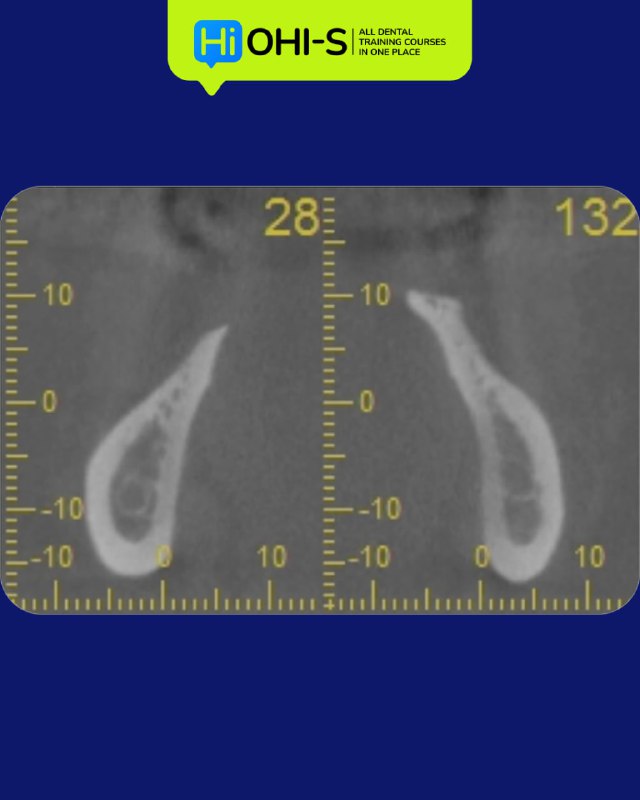
- Anatomical features specific to the mandible
- Overview of horizontal and vertical bone defects
- Implant placement in the area of the sixth and seventh teeth of the mandible with bone defects
- Implant options after tooth extraction
- Preoperative assessment with CBCT
- Early implant placement concept
- Step-by-step analysis of clinical cases of implant placement using GBR in the mandible
- Step-by-step video guide on preparation of bone graft for GBR and placement of a membrane around the implant in the mandible
- Analysis of clinical cases:
Immediate implantation
Delayed implantation using GBR technique.
Lesson 4. Live surgery: Implant placement in the region of tooth 36 with simultaneous GBR using the “Sausage” technique
- Step-by-step analysis of clinical cases of implant placement with GBR
- Step-by-step video guide on preparation of bone graft for GBR and placement of a membrane around the implant
- Use of collagen membrane with a two-layer technique
- Categorization of bone defects and choosing between horizontal and vertical bone augmentation
- Step-by-step protocols for applying the Sausage technique
Lesson 5. Live surgery: Implant placement in the region of tooth 22 after extraction with simultaneous GBR
- Clinical situations requiring simultaneous GBR
- Early implant placement concept
- Step-by-step analysis of clinical cases of implant placement using GBR
- Step-by-step video guide on preparation of bone graft for GBR and placement of a membrane around the implant
Lesson 6. Same-day implant placement using guided bone regeneration (GBR): step-by-step procedure
New classification of post-extraction sockets:
Socket types and their clinical significance
Impact on treatment planning.
Options for treatment at the time of tooth extraction:
- Techniques for preserving the alveolar ridge
- Same-day implant placement
- Ridge augmentation techniques
- Delayed implantation strategies
Surgical protocols for immediate implantation:
- Atraumatic tooth extraction
- Preparation and positioning of the implant bed
- Ensuring primary stability and managing the gap between the implant and bone
Application of GBR and soft-tissue grafting:
- Indications for GBR
- When to employ connective tissue graft (CTG)
- Selection and placement of membranes
Lesson 7. Surgical factors affecting long-term stability of dental implants. Why Hybrid Implants: The new TLC implant
- Primary and secondary goals of successful implantation
- Common complications in clinical practice
- Key factors for long-term success in implantology
- Analysis of aesthetic risk factors in implantology
- Navigation protocols for implant placement by Daniel Buser
- Significance of keratinized mucosa around the implant
- Analysis of implant placement in post-extraction sites and in the presence of bone defects
- Three treatment options in implantology: immediate, delayed, and with delayed socket augmentation
- Analysis of the Straumann® TLC/TLX implant system
- Analysis of the design of hybrid and double-hybrid implants
Lesson 8. Same-day implantation: treatment options after tooth extraction
- Treatment planning for single-implant placement
- Evaluation of post-extraction sockets and bone defects
- Implant placement after tooth extraction and treatment options including immediate, delayed placement and socket augmentation
- Step-by-step protocols for immediate implant placement
- Step-by-step analysis of clinical cases of implant placement using GBR
Lesson 9. Post-extraction socket grafting for alveolar ridge preservation (ARP) with subsequent delayed implant placement
- Treatment planning for single-implant placement
- Delayed implantation using GBR GBR technique
- Evaluation of post-extraction sockets and bone defects
- Implant placement after tooth extraction and treatment options including immediate, delayed placement and socket augmentation
- Step-by-step protocols for delayed implant placement and socket augmentation
Lesson 10. Application of the GalvoSurge system for peri-implantitis management: core principles and clinical outcomes
- Analysis of surgical treatment of peri-implantitis
- Defect types of dehiscence
- Management of peri-implantitis lesions
- Assessment of probing depth and clinical attachment levels
- Analysis of therapeutic failure indicators
- Application of the GalvoSurge implant cleaning system
- Implant surface polishing: a clinical example
- Technical factors in the development of peri-implantitis
- Stages of peri-implantitis treatment:
- Hygiene phase
- Surface decontamination
- Assessment of prosthetic rehabilitation potential
- Suturing and placement of the prosthetic framework
Long-term results of supportive therapy
Analysis of clinical cases.
Lesson 11. Guided bone regeneration in peri-implantitis
- Etiology and risk factors for peri-implantitis
- Treatment aims and objectives for peri-implantitis
- Tools for cleaning implant surfaces
- Development and progression of GBR (guided bone regeneration) applications
- Clinical case selection criteria for GBR
- Materials selection for GBR
- Step-by-step video guide for preparing a bone graft for GBR procedure
- Analysis of clinical cases
Lesson 12. Same-day implantation: surgical protocols
- Risks of immediate implant placement
- Indications for immediate implant placement
- Treatment goals and patient selection criteria
- Peri-implantitis management protocols with immediate implantation
- Wound closure specifics
- Connective tissue graft: importance in single-stage implantation
- GBR to increase vertical bone volume
- Soft-tissue augmentation complications
- Immediate implant placement and loading: surgical methods and key factors
- Maintenance therapy
Lesson 13. Long-term stability of implants placed with GBR: London experience
- Clinical assessment and treatment planning
- Tissue-level implantation in the esthetically important zone
- Applying the London philosophy: minimizing trauma without compromising outcomes
- Key role of the implant surface in successful GBR
- GBR in complex clinical cases
- Ensuring primary stability in challenging conditions
- Step-by-step implant placement using GBR technique and digital protocol
Lesson 14. Autogenous bone grafts: concept of a bone-conditioned environment
- Overview of osteogenic, osteoinductive, and osteoconductive properties. Methods of harvesting and clinical advantages
- Concept of bone-conditioned environment in clinical implantology
- Role of bone-conditioned environment in accelerating healing, stimulating osteoblast activity, and bone remodeling
- Methods for obtaining and applying bone-conditioned environment in GBR and dental implantology
- Review of published studies, in vivo results, and clinical cases demonstrating the effectiveness of bone-conditioned environment
Lesson 15. Digital technologies for treatment planning and fabrication of surgical guides with 3D printing
- Implementation of cone-beam computed tomography (CBCT) in clinical practice
- CAD/CAM technology in modern dentistry
- Incorporation of intraoral scanning into clinical practice
- Digital smile design and virtual implant planning protocols
- Step-by-step analysis of the digital workflow for partial and complete edentulism
- 3D printing of surgical guides as part of the full digital workflow
Lesson 16. Healing of bone tissue in membrane-preserving defects
- Classification of materials for bone augmentation
- Evaluation of bone graft materials available on the dental market
- Resorbability, osteogenic potential, and volumetric stability of bone graft materials
- Clinical criteria for selecting a suitable augmentation material
- Biological mechanisms of integration and remodeling of bone grafts
- Long-term outcomes and clinical data on the use of various bone graft materials
Lesson 17. Biological properties of bone grafts
Classification of bone grafts, their advantages and limitations:
- Autografts
- Allografts
- Xenografts
- Alloplasts
- Bone grafting in dentistry and maxillofacial surgery
- Clinical indications for bone grafts
- Key biological properties:
- Osteogenesis
- Osteoinduction
- Osteoconduction
- Biocompatibility and rate of resorption
أسئلة شائعة عن الكورس
كم مدة الكورس وكم درس فيه؟
الكورس يتكون من 17 درس، ومدته الكلية 18 ساعة و15 دقيقة.
هل الكورس كامل أو مجرد فيديوهات من يوتيوب؟
الكورس اشتراك كامل بكل الدروس المذكورة بالوصف (17 درس)، وليس فيديوهات يوتيوب أو مقاطع متفرقة.
متى يتفعّل الكورس بعد الدفع؟
التفعيل فوري خلال دقائق من إتمام الدفع في أغلب الحالات، وتوصلك رسالة على البريد الإلكتروني بكل تفاصيل التفعيل.
ما هي طرق الدفع المتوفرة؟
للأطباء داخل العراق: زين كاش، سوبر كي (ماستر الرافدين)، FIB أو رصيد آسيا سيل.
للأطباء خارج العراق: البطاقة البنكية، أو طرق دفع محلية في بعض الدول مثل مصر والجزائر وفلسطين وغيرها.
هل الدفع آمن؟
نعم، جميع عمليات الدفع محمية عبر بروتوكولات أمان SSL.
إذا صارت عندي مشكلة بالتفعيل، شنو الحل؟
فريق الدعم متواجد عبر واتساب أو تليغرام أو البريد الإلكتروني support@dentalcourse.store. وإذا كانت المشكلة بالتفعيل أو خلل من طرفنا، نستبدل لك الكورس.


